Textiles: The Impact of Fast Fashion
Need some new clothes? We usually head into town or browse online stores. What many people don't realize, though, is that the production of new clothing has a major impact on the environment.
You can read all about how this works and what you can do about it on this page! You’ll also find useful statistics, tips on shopping at thrift stores, and more information about the projects we’re working on with textiles. Our goal is to encourage residents to buy fewer new items or to switch to buying sustainable clothing.
How to: Shop for Secondhand Items
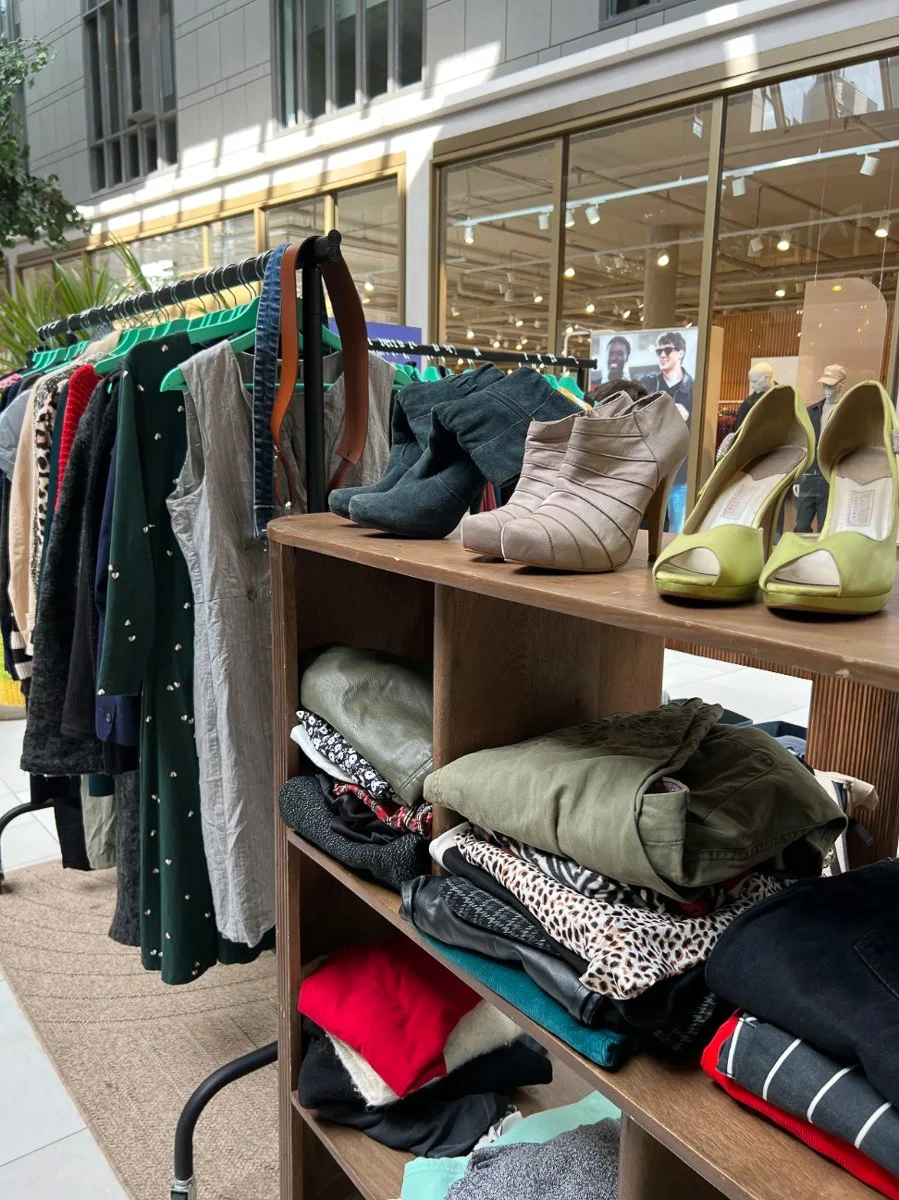
Would you like to wear secondhand clothes more often but don't know where to start? In this roundup, you'll learn all about local thrift stores, flea markets, The Clothing Loop, and more!
The Mobile Exchange Rack
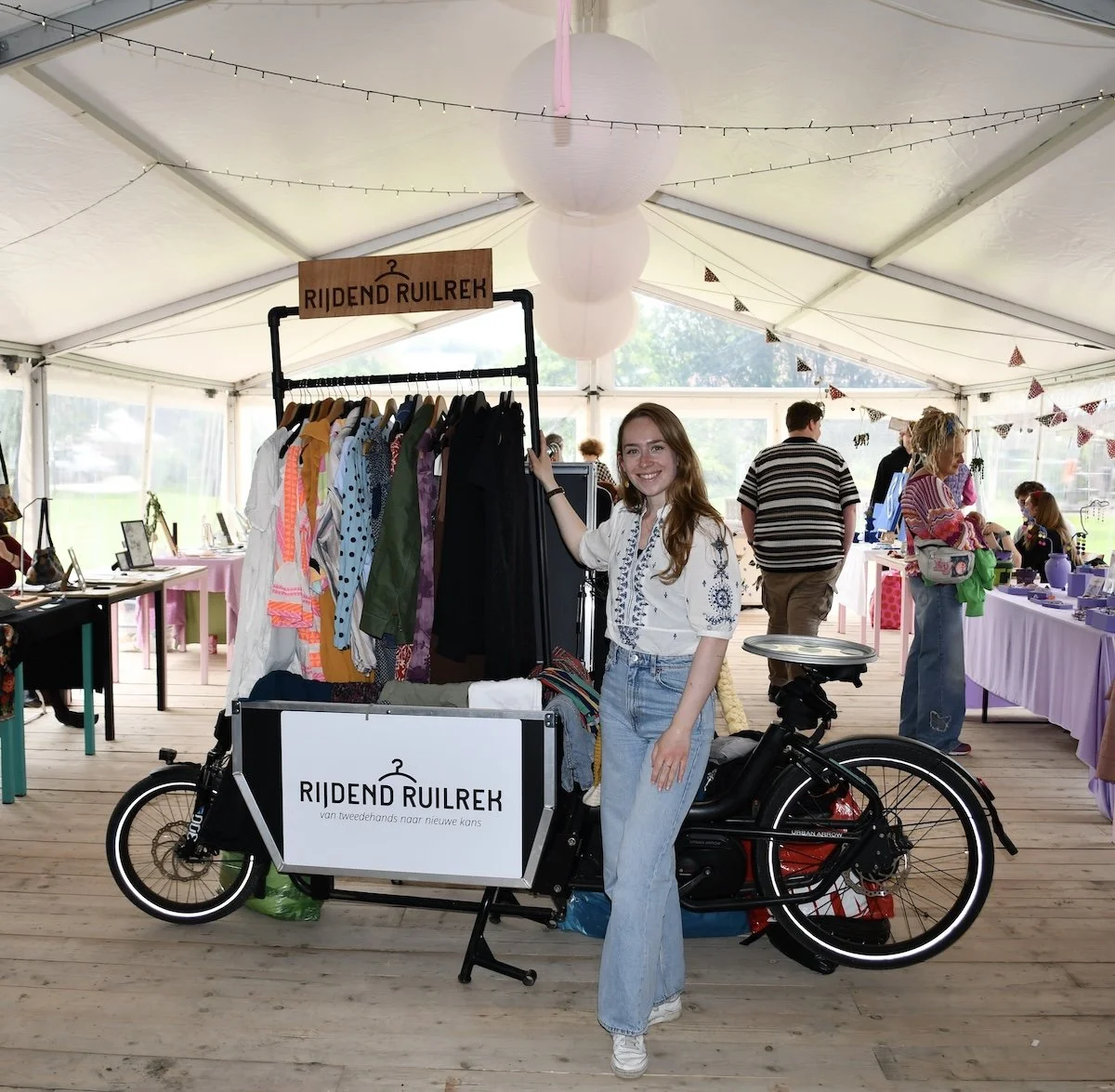
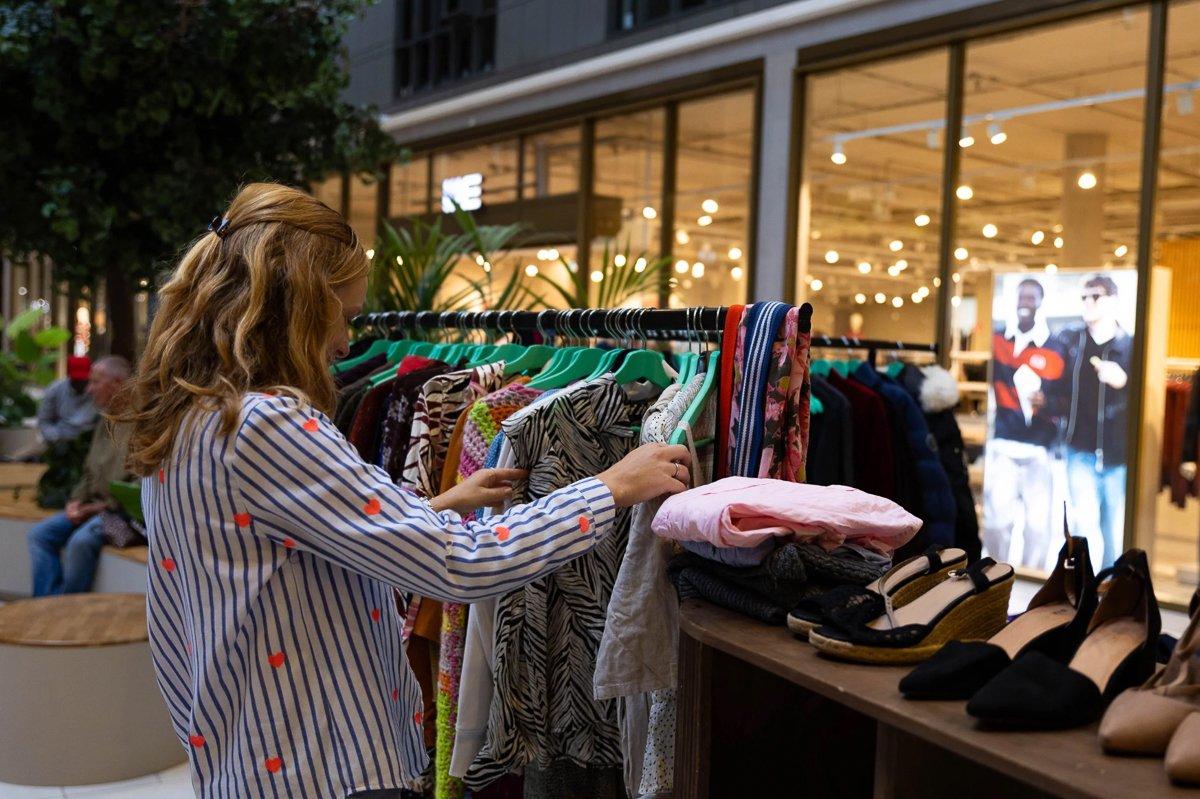
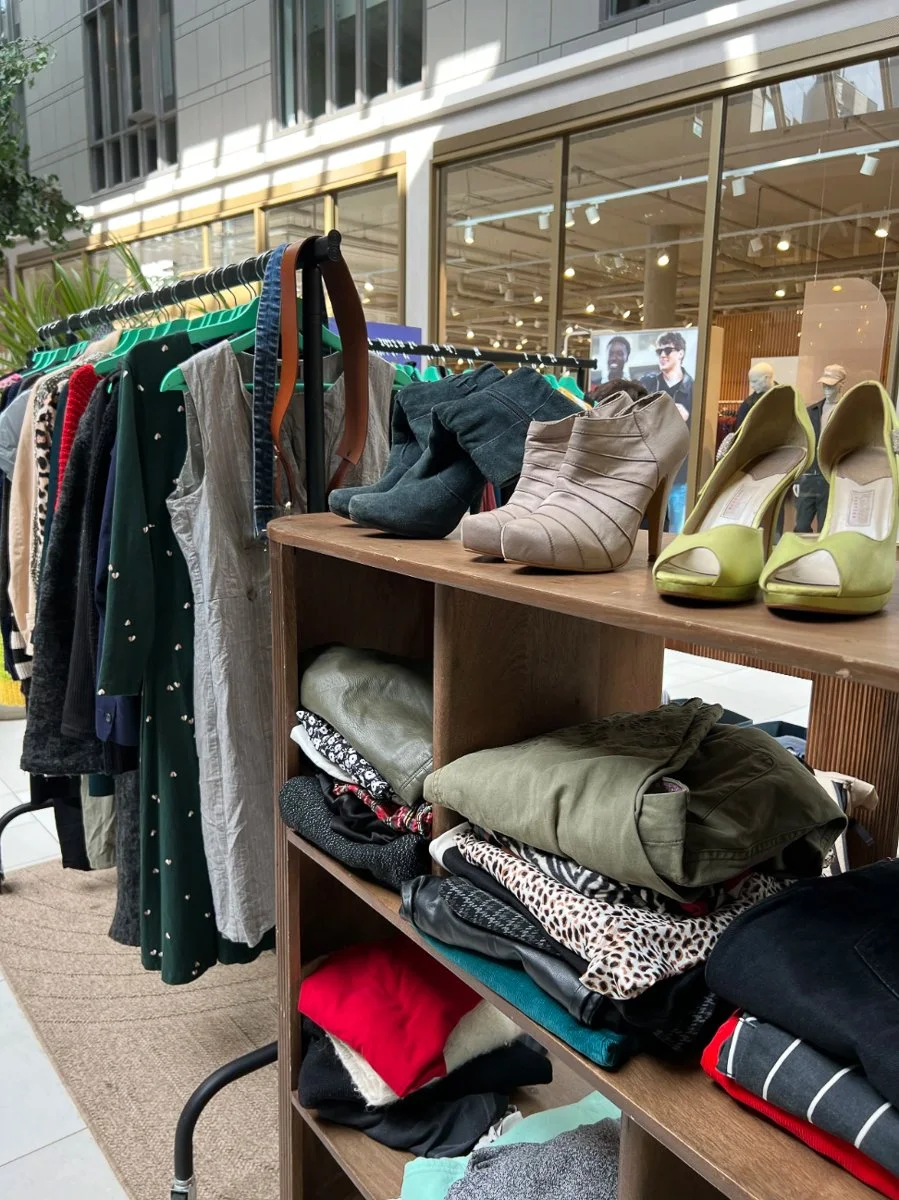
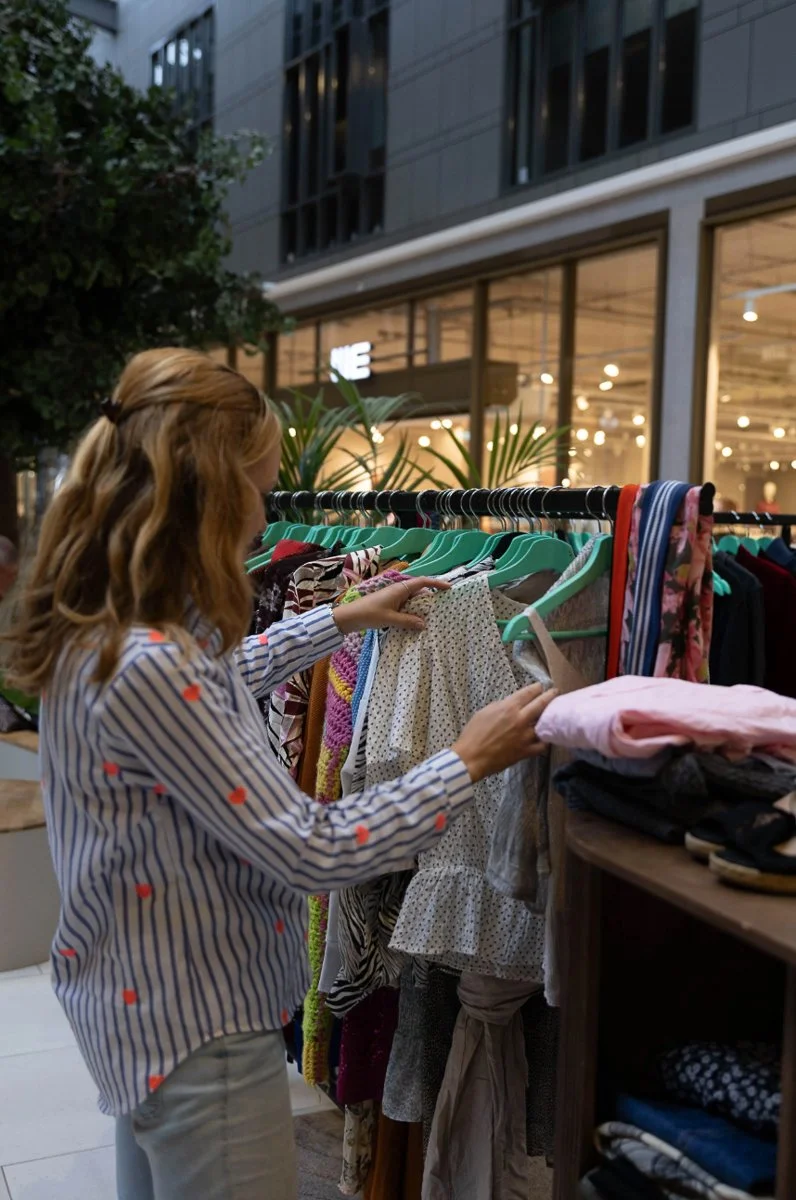
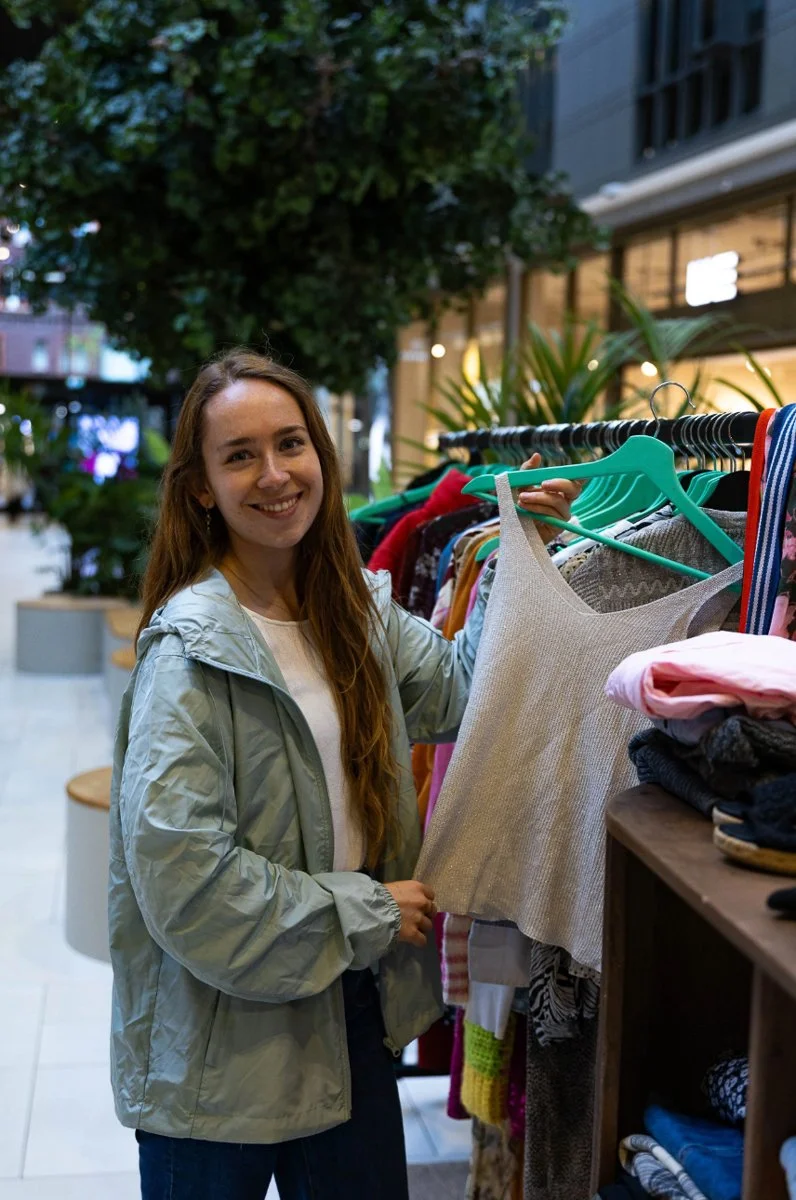
Do you have any nice, unworn clothes lying around at home? And are you in the mood for something new? Then come swap your clothes at our Mobile Swap Rack!
With this rack full of secondhand clothes, we drive around the town and offer residents a place to swap their clothes. Swapping is optional—you don’t have to!
Would you like to know where we are? Then go to the page below.
Education
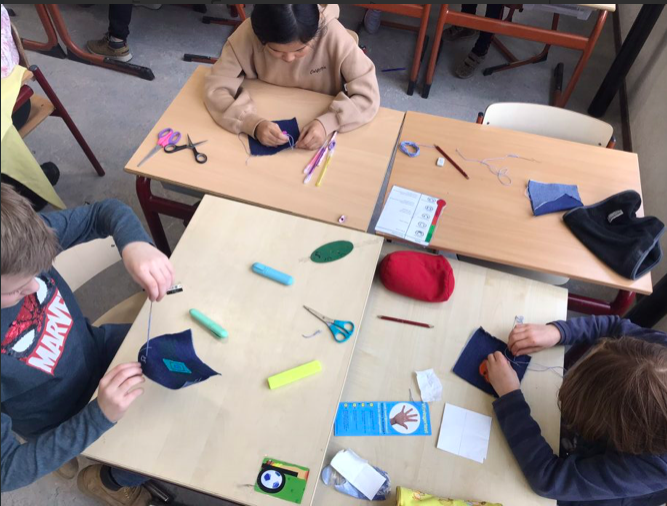
We offer schools a variety of lesson plans centered around the theme of textiles. For example, there is the lesson “The Mountain of Clothes ” or “The Journey of a T-shirt.”
For more information, visit the Groene Kapstok website, our educational platform.
About Textiles
The Myth of Ultra Fast Fashion
For years, fast-fashion chains like Zara, H&M, and Primark have dominated the high streets with their trendy clothing, rapidly changing collections, and low prices. In recent years, these well-known stores have been falling further and further behind in the race for consumers. This is due to the rise of new clothing giants like Shein and Temu: Chinese online retailers that produce enormous quantities of clothing at an unprecedented pace. For example, Shein launches an average of no fewer than 6,000 new products per day on its website. This makes the Ultra Fast Fashion Industry has been born: within a single week, a garment goes from design to shopping cart.
These clothes are often of poor quality, have a massive environmental impact, and may even contain harmful chemicals. Furthermore, they are often made under poor living conditions, with workers forced to work up to 75 hours a week without decent rights or protections.

Production: The Hidden Impact of Clothing
The apparel industry accounts for as much as 4% of global CO₂ emissions and contributes to the climate crisis in several ways (2018). But how can the apparel industry have such a significant impact on the environment?
This is partly due to the amount of raw materials required to produce clothing. For example, producing a single cotton T-shirt requires 2,700 liters of fresh water —enough to provide drinking water for 2.5 years. Not all textiles require that much water. While synthetic fabrics such as polyester and nylon require less water, they are made from petroleum.
Textile processing also has a major impact on the environment: 20% of the pollution ofclean water worldwide is caused by the dyeing and processing of textiles. Microplastics are also a problem. For example, a load of polyester clothing can release up to 700,000 microplastic fibers.
Would you like to learn more about the sustainability of fabrics? You can read more about it in this article!

The mountain of clothes
The environmental impact of the clothing industry doesn’t end there. 87% of our discarded clothing ends up in incinerators or in towering landfills in countries like Ghana, where 20 million garments arrive every week. Of these, 40% are burned, sometimes simply in the open air, releasing toxic substances.
The Netherlands is a major contributor to this as one of the world’s ten largest textile exporters. In 2022, however, 248,000 tons of secondhand textiles were exported from the Netherlands. These textiles still have a chance at a second life. But more than 50% of the textiles in the Netherlands end up in regular household waste, which means they are incinerated.
Want to know how, what, and where you can drop off your used textiles? Find out more on the Meerlanden website!
Want to learn more about the fashion industry? Check out our Green Library—it’s full of fascinating documentaries and book recommendations!
What can you do?
This is quite a lot of information to take in. But there’s a silver lining to this cloud, too. Namely: together, we can bring about change. Your choices matter! After all, customer behavior is the most important guiding principle for clothing companies. If their wants and needs change, the industry changes along with them.
So the good news is that you're in control! You can make a difference—not only in your shopping habits, but also in how you handle unwanted clothing.
One step that can make a big difference is buying fewer clothes. Think about whether you really need certain items of clothing . Before making a purchase, ask yourself, “Will this purchase really make me happy?” Make a list of the clothes you really need, and take it with you when you go shopping. That way, you’ll stay focused on your goals while shopping.
You can make a big impact with secondhand clothing, too: these days, there are many more options than just thrift stores! For example, you can easily buy secondhand clothing online through apps like Vinted, Marktplaats, and Depop. You can also stop by our own Rijdend Ruilreklocations in Hoofddorp and Nieuw-Vennep! Readthis article for more information about secondhand clothing.
Finally: don’t just throw your clothes away. Sew a button onto that torn dress and have the tailor hem those pants that are too long. Repairing is always more sustainable than buying something new!
Get more inspiration!