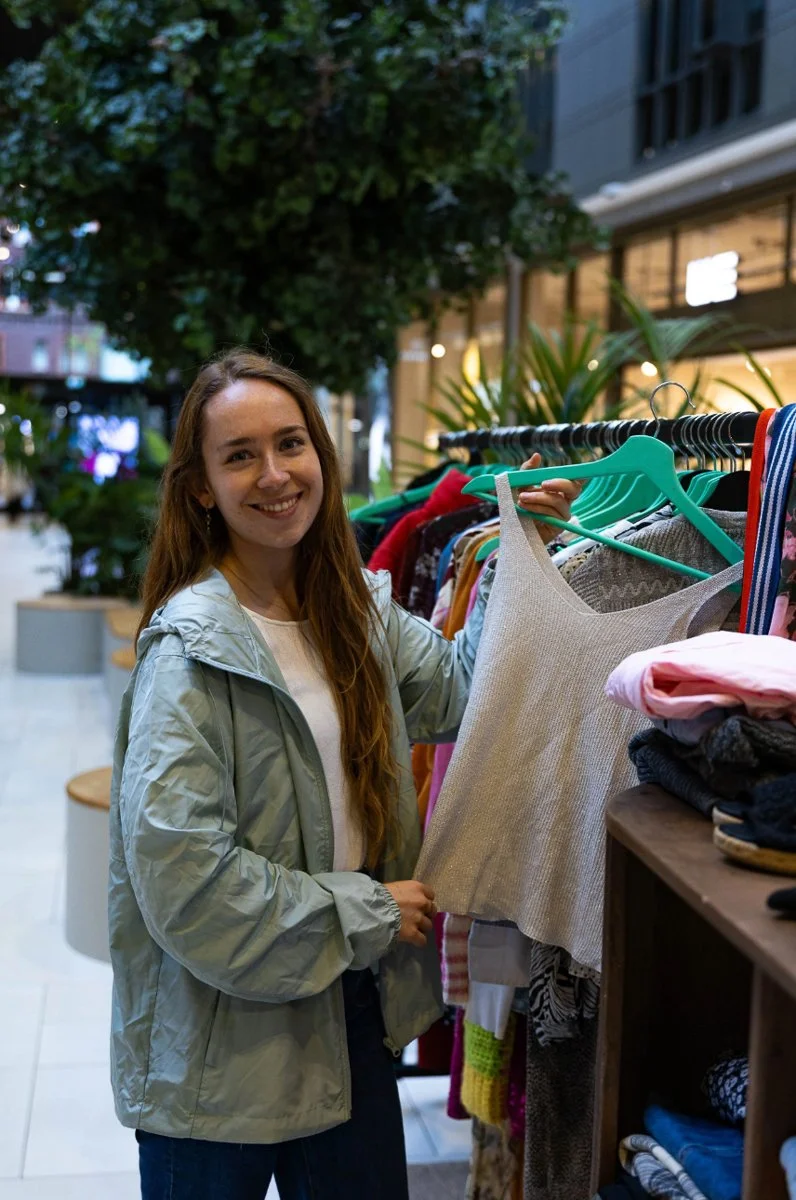
Join our waste-free projects!
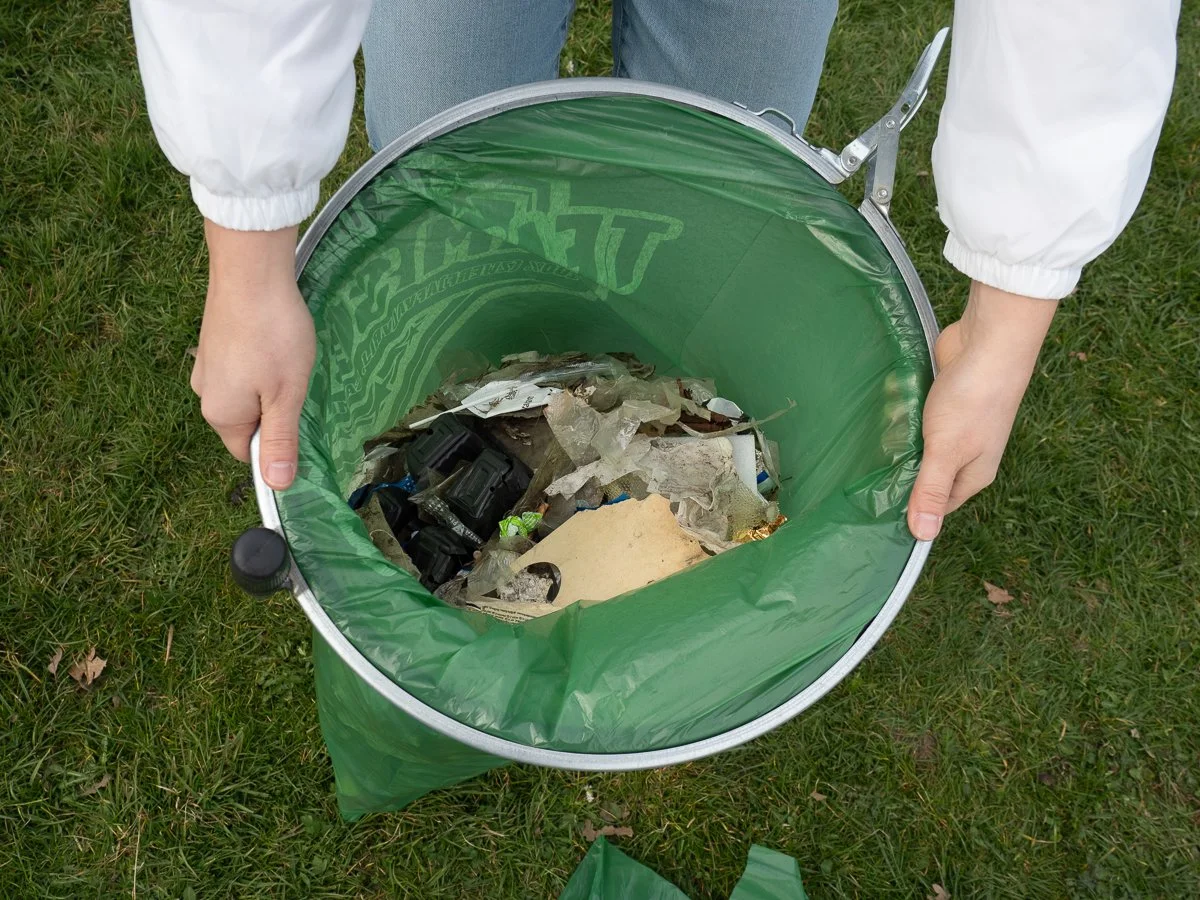
Much of what we throw away isn't actually waste: cell phones contain precious metals, organic waste turns into compost, and oyster mushrooms grow very well on coffee grounds. Appliances and clothing can often be given a second (or even third) life as well.
In a circular society, (parts of) products have as long a life as possible, materials are reused as much as possible and the amount of waste is reduced.
The Haarlemmermeer Center for Sustainability promotes a zero-waste lifestyle. Check out our current projects below. Scroll down for tips and more!
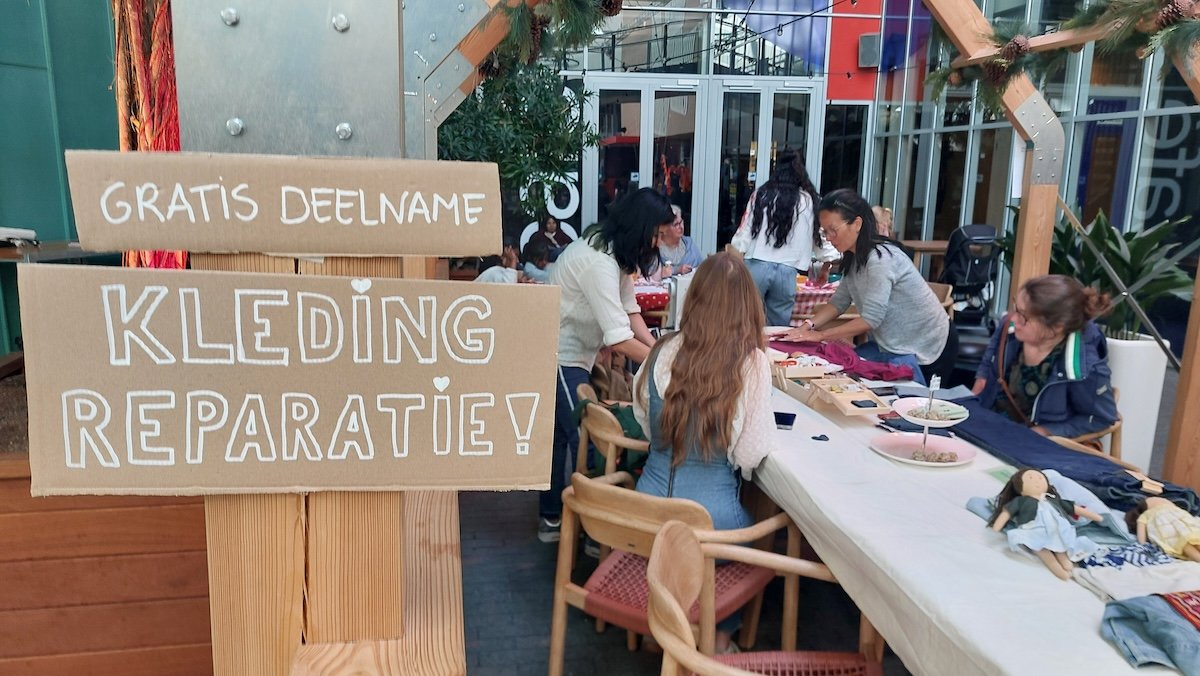
Repairs at Repair Café
Repairing things saves you money and makes your belongings last longer. The Repair Café helps you repair electrical appliances, clothing, and more.
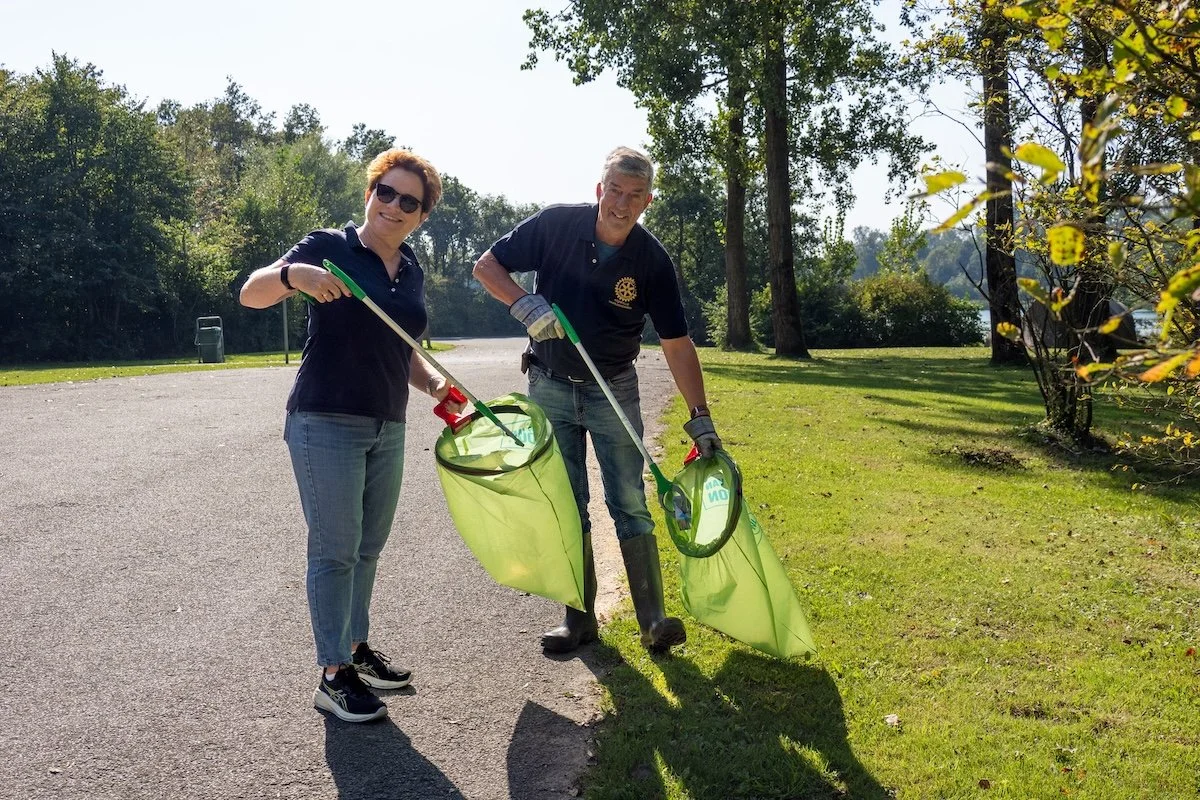
Keep Your Neighborhood Clean
Would you like to help keep Haarlemmermeer clean? Become a litter picker! We’ll lend you litter pickers and supplies, and Meerlanden can pick up the trash.
Education
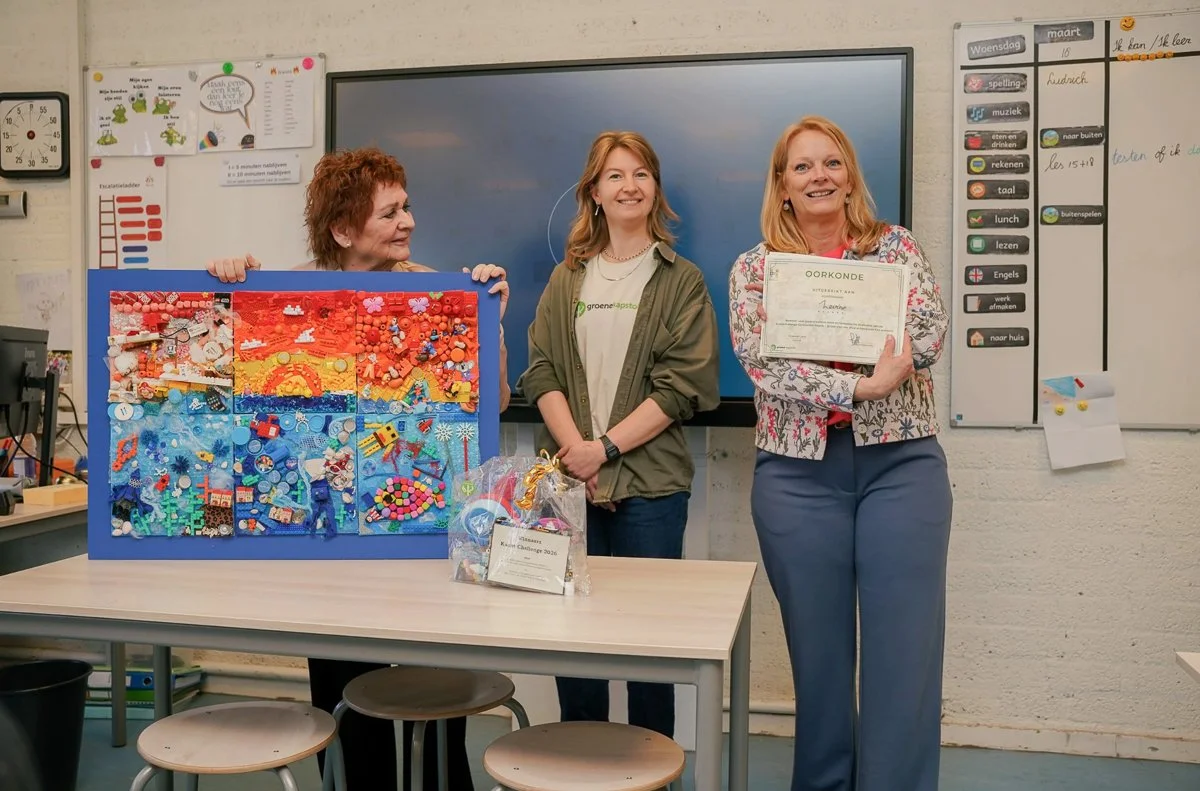
We offer schools various teaching programs around the theme of Circularity and Waste. Both for Primary and Secondary Education. This offer can be found on the site of the 'Groene Kapstok', our education platform.
About Waste & Circularity
Separating waste
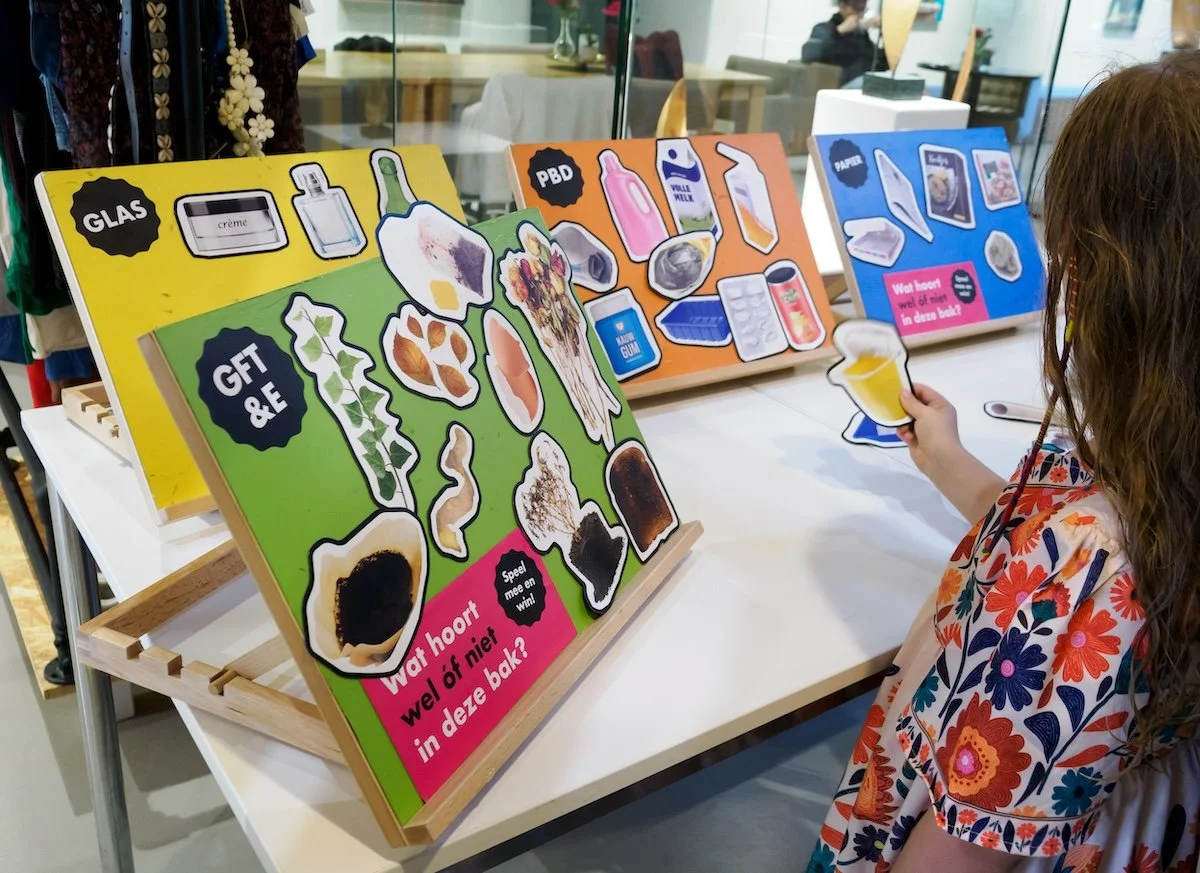
A good way to become more sustainable is to separate waste. It may take some effort, but your effort really has an impact on the climate. The separated paper, glass, plastic and metal can be reused. And the reduction of household waste reduces energy consumption during waste disposal. As an extra benefit, you're saving on costs: because the environmental tax goes down.
Unsure which product should go in which bin?
Create less waste
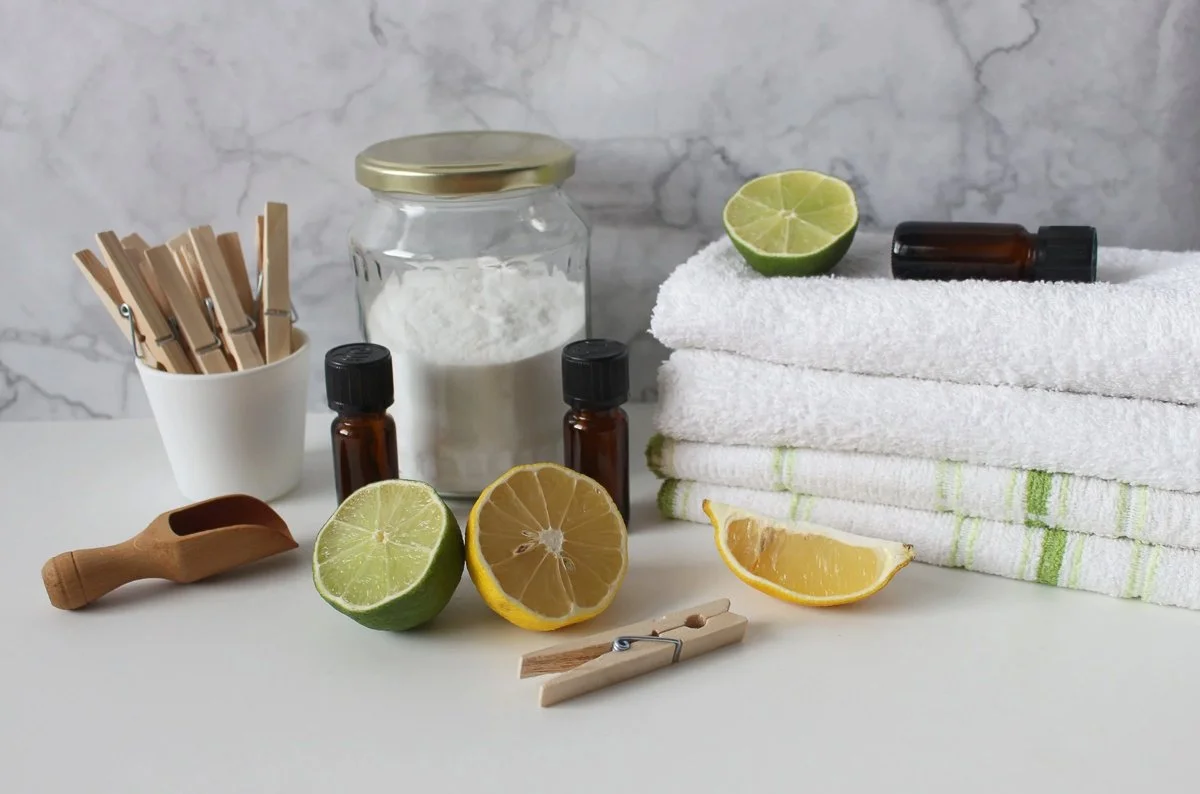
Separating waste is useful, but this does not solve our waste problem. See if you can reduce your consumption. For example, bring your own coffee mug while on the road or keep a water bottle in your bag. Buy less pre-packaged products and bring your own bags for fruit and vegetables when you go shopping. Put a no/no or no/yes sticker on your door so you don't have to throw away advertising material. Or stop using laundry detergent from a bottle and instead use laundry sheets packaged small in cardboard.
Recycle or reuse your stuff
Take small appliances, cords, adapters, old cell phones and CDs to a collection station near you. Large appliances, like all other types of waste, can be handed in (separately) at Meerlanden's environmental street.
In a circular society, we maximize a product's life, materials are reused as much as possible and waste is reduced.
Buy less
Your stuff, whether it's a laptop or a cup, has a negative impact on the climate. If you want to live more sustainably, consuming less is really necessary!
The product itself isn't really harmful, but its production is. Every step in the manufacturing process requires energy: from gathering raw materials and making the product to the associated transportation and, finally, waste disposal. Plus, there's already a huge amount of stuff on Earth. In fact, we already have enough clothing to last the next six generations. So consider buying secondhand!
Because most of our products are made far away in low-wage countries, we see none of this negative impact.
If everyone bought fewer things, we would prevent a lot of harm. So when you want to buy something, think about how much you need it. Or ask yourself the Marie Kondo question, "Will this bring me joy?" So many things can also be rented or bought - more than you might expect.