Circular Business: Not Waste, But Opportunities
Circular business practices mean reducing waste and CO2 emissions by reusing products and materials. This leads to a cleaner planet and helps companies use fewer raw materials, which can save money. In addition, it allows companies to stand out and become more attractive to customers who care about the environment. In short, circular business practices make companies stronger and better prepared for the future, even as the market or regulations change.
Featured
What does circular business mean?
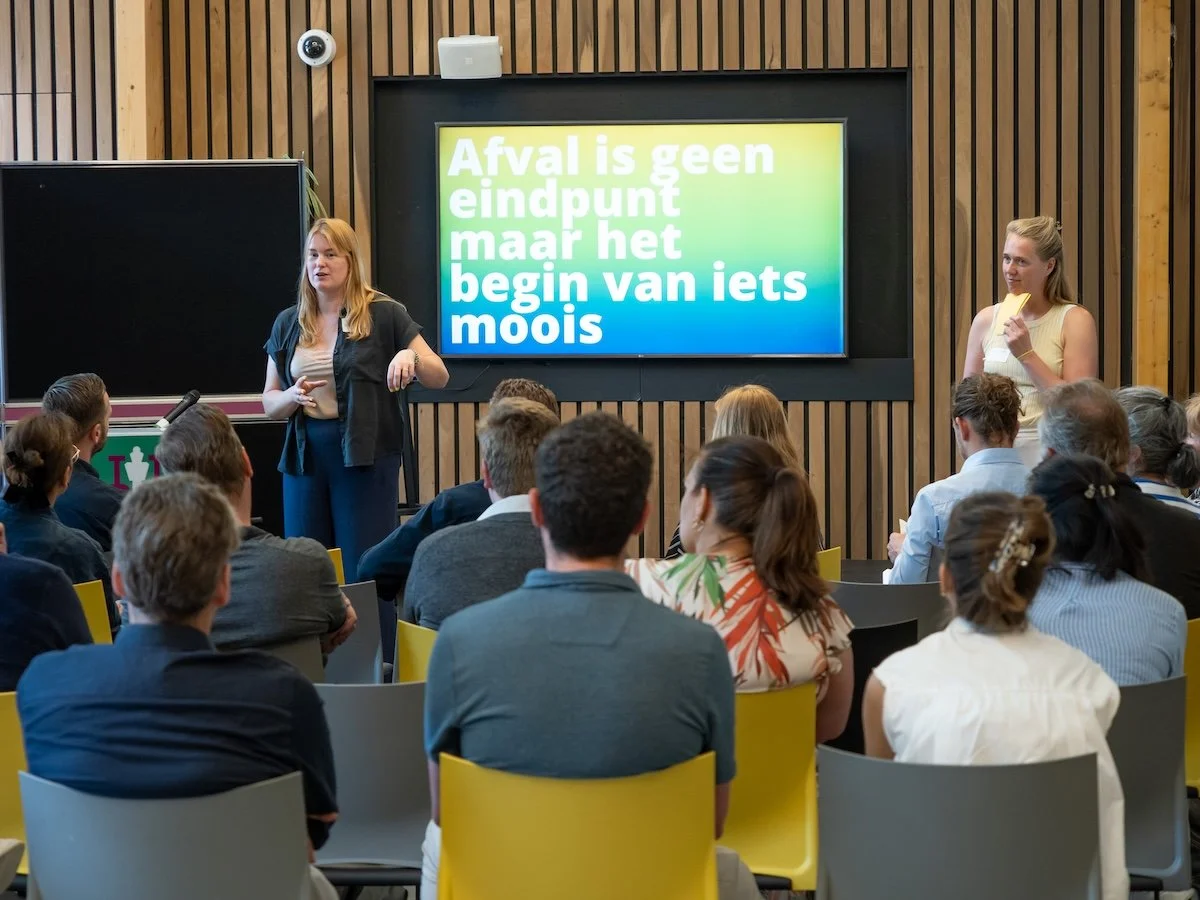
A circular economy is an economic system aimed at minimizing waste and maximizing the reuse of products and materials. Instead of the traditional “take-make-dispose” approach, in which products are made, used, and then thrown away, a circular economy focuses on designing products that last longer, are easy to repair, and can be recycled. This not only helps conserve natural resources but also promotes sustainability and reduces the environmental impact.
The goal is to create a closed-loop system in which valuable materials continue to circulate within the economy. The goal is to work toward a world without waste, and by 2050, the Dutch economy should run entirely on reusable raw materials.
What can you do?
There are many things you can do to get started, from very small to very large. Design products that are easy to repair, reuse, or recycle. Use recycled materials or look for eco-friendly alternatives. Consider offering products as a service, such as through rental or leasing. Collaborate with other companies to share materials and knowledge. Educate your employees and customers about the importance of circular principles and how they can contribute to them. Here’s some more helpful information:
R-Ladder: The R-Ladder is a useful tool that helps companies adopt circular business practices by ranking different levels of waste management and reuse. By following these steps, you can contribute to a circular economy and reduce your company’s environmental impact. Read more here or contact us to discuss opportunities for your business.
Reduce single-use plastics (waste). You can have your plastic picked up by Afval Goed Geregeld.
Getting Started: There is a lot of information available about the circular economy, read more here to learn more about legislation, financing, and real-world examples. Or contact us with any questions or for support
Tips and Inspiration
Share Haarlemmermeer: Share Haarlemmermeer is an initiative that promotes the circular economy and sustainability in the Haarlemmermeer region. It encourages collaboration between businesses, residents, and the municipality to reduce waste and promote reuse for a greener future.
Want to know where you stand and accelerate your progress toward circular business practices today? Complete the free assessment: