
Welcome to our green library!
There is a lot of information available on sustainable topics. This sometimes makes it difficult to choose. Therefore, we have made a selection of books, podcasts and documentaries that we ourselves find worth reading, watching or listening to.
Scroll down to get started!

Click on the icons to go directly to your selection of choice!
Go to Podcasts

Go to
Documentaries

Go to
Books

Tips & Articles



Videos, documentaries and films

A Life on Our Planet - Netflix
David Attenborough: A Life on Our Planet is a powerful, firsthand account of humanity’s impact on nature and a message of hope for future generations.
At 93, David Attenborough has seen more of nature on Earth than anyone else. Now, for the first time, he reflects on the defining moments of his life as a biologist, and the devastating changes he has seen. Honest, revealing and urgent.
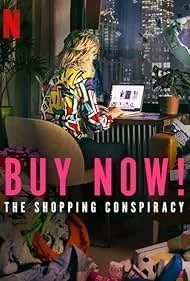
Buy now: The Shopping Conspiracy - Netflix
The lies you’ve been sold will cost you dearly. This unpredictable and revealing documentary special from a two-time Oscar-winning team pulls back the curtain on the mysterious world of the most influential brands, as insiders and whistleblowers reveal the secret manipulation tactics used to keep you buying, no matter the cost. This is the story big corporations don’t want you to know.
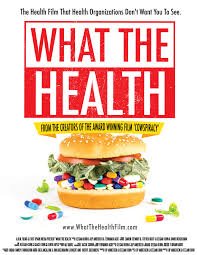
What the Health - Netflix
This film explores the link between diet and disease and the billions of euros at stake in the healthcare, pharmaceutical, and food industries.
And beyond that...
The Minimalists: Less is Now - Netflix
Close friends Joshua Fields Millburn and Ryan Nicodemus have built a movement based on minimalism. They share what life can be like with less.
Seaspiracy - Netflix
A filmmaker with a passion for the oceans reveals the extent of the damage humans are causing to marine species. Disturbing global corruption is exposed.
What's Holding Us Back - NPO
In “What’s Holding Us Back?”, writer and journalist Jeroen Smit, together with climate journalists Daphné Dupont-Nivet and Jan van Poppel, explores how we can tackle major problems related to climate change, environmental pollution, and food and resource waste. In the new season, the team explores, among other things, the environmental footprint of our four-legged friends, the environmental impact of frequent flyers, and why we unnecessarily throw good, expensive medications into the incinerator.
The Discount Hunter - NPO
In the three-part documentary series *The Discount Hunter*, Roland Duong and Marijn Frank explore the causes and consequences of our obsession with cheap goods. Why are there so many cheap items? How can these items be so cheap, and why do we give in to them so easily?
Cowspiracy - Netflix
Kip Andersen and Keegan Kuhn investigate the impact of the livestock industry on the environment. On this aspiring environmental activist’s shocking yet humorous journey, he searches for real solutions to major problems.
Tegenlicht: Episode “Uit de Kleren” - NPO
There is now so much clothing in the world that it could clothe the next six generations. Four pioneers are working to improve the wayward apparel industry. Annemieke Koster produces new textiles from local, recycled fibers and discarded textiles. Caterina Occhio is trying to make luxury brands like Chloé, Armani, and Aspesi more sustainable and socially responsible. Lara Wolters has been advocating for more transparent supply chains in the European Parliament for nearly five years. Former fast-fashion influencer Sara Dubbeldam sued Primark for misleading advertising.
Tegenlicht: The Disposable Society - NPO
As the call for sustainability and the preservation of our planet grows ever louder, we face a crucial challenge: how do we fix our broken consumer society? A deep dive into this pressing issue with passionate citizens, adventurous entrepreneurs, top designers, and mega-recyclers—all working toward a world free of disposable waste. Featuring: Gerri Eickhof, Christien Meindertsma, Laetitia Vasseur, Benjamin Sprecher, Marieke Eyskoot, and Ruud from the Repair Café Rotterdam.
Tegenlicht: Going Green Together - NPO
All across society, initiatives are springing up from people seeking ways to continue supplying our country with energy. Citizens, entrepreneurs, and collectives are fighting for the democratization of the energy transition. What might a different distribution of power look like? Featuring, among others, the FIXbrigade in Amsterdam; supermarket entrepreneur Ad de Jong in Schoonrewoerd; Gerard van der Kleij, director of Europe’s largest laundry facility; neighbors Kristel and Gerard in a residential neighborhood in Laren; an energy cooperative in Zutphen; behavioral psychologist Reint Jan Renes; and futurist Siward Zomer.
Tegenlicht: Welcome to the Symbiocene - NPO
It is high time for a transformation toward the Symbiocene, an era in which humans, nature, and technology work together to create a new balance. The founder of this concept is the Australian environmental philosopher Glenn Albrecht. In search of a new ecological balance with Glenn Albrecht, Jalila Essaïdi, and Lucas De Man.
Tegenlicht: The Food Corporation - NPO
Despite its small size, the Netherlands is the world’s second-largest food exporter after the U.S. Photographer and documentary filmmaker Kadir van Lohuizen explores the Netherlands’ crucial role in the global food system. Where does our food come from? How is it produced? Where do we send it? And what role does the Netherlands play in this system? Global food production accounts for at least 25% of all greenhouse gas emissions. As a result, the food supply is coming under increasing pressure.
Tegenlicht: Waterlanders - NPO
Sea levels are rising and the land is subsiding. Will dikes and water boards still be sufficient to protect us from the water over the next hundred years? How do we deal with the fundamental uncertainty surrounding sea-level rise, and how does it affect Dutch identity? How much will sea levels rise over the next hundred years? Estimates vary so widely—from 30 centimeters to 3 meters—that this inherent uncertainty is the primary challenge facing engineers, landscape architects, and policymakers. What solutions are flexible enough to apply to all possible scenarios? In the Krimpenerwaard, the situation is already dire, and the new battle against the water has already begun.
Tegenlicht: A Flood of Returns - NPO
Online shopping has never been easier. But haven’t we, as consumers, gone too far in mindlessly ordering and returning products? Do we still value services like shipping? What actually happens to all those returned packages? VPRO Tegenlicht investigates what happens to our returned packages. The Dutch lead Europe when it comes to returns. Of all online purchases, 13% are sent back to online retailers. Of course, returning items isn’t free—someone has to foot the bill for logistics. The environmental impact of delivery services endlessly shuttling back and forth is also enormous.
Code Red - NPO
Over four episodes,Code Redtells the story of the palpable climate crisis we are in the midst of and from which there is no escape.
The Battle for the Shit World - NPO
A three-part series on unsafe factories and harsh working conditions that have characterized the textile industry for decades. However, following the Rana Plaza disaster in Bangladesh in April 2013, major clothing brands and chains promised to do better. Roland Duong and Teun van de Keuken investigate what’s really going on in the textile industry today. But only a trader has access to the inner workings of the textile supply chain, so Teun goes undercover. For decades, our clothes have been tainted by misery. Unsafe factories, harsh working conditions, exploitation, and child labor are the rule rather than the exception. The Rana Plaza disaster seemed to be the last straw. Major clothing brands and fashion chains signed pledges and agreements, partnered with NGOs, and now proudly tout how responsibly they operate. But is this really true? In *The Battle for the Clothing World*, Teun van de Keuken and Roland Duong shed light on the hidden problems in the fashion industry.
Pointer: Who Pays for Sustainable Farming? - NPO
Lower nitrogen emissions, greater focus on biodiversity, fewer greenhouse gases, and, ideally, a bit more animal-friendly practices as well. Farmers are expected to make significant changes in the coming years. That’s not easy, because consumers aren’t always eager to buy sustainable—and therefore often more expensive—products. The investments don’t pay for themselves. How can agriculture become more sustainable if consumers aren’t willing to pay for it?
FULL CIRCLE - YouTube
This short documentary shows where our current overconsumption is leading and what the consequences are. But it also asks: How can we change this? How can we give discarded textiles a second life?
The Textile Mountain: The Hidden Burden of Our Fashion Waste
This documentary focuses on the consequences of the fashion industry: the textile mountain and its impact on the environment.
Books
Merchants of Doubt - Naomi Oreskes & Erik M. Conway
On how money is made from casting doubt on harms such as smoking or climate and everything else that is harmful.
The Hidden Impact - Babette Porcelijn
If everyone in the world lived like the Dutchman, we would need almost four earths. And the biggest culprit is the consumption of stuff. Babette (the author) has managed to make the hidden impact of our consumption behavior transparent. Using simple calculations and comparisons, she shows you where you can take big steps so you can start relaxing a little on the little things. A mustread for anyone who wants to get started with sustainability. https://www.youtube.com/watch?v=GXzy7LE__4o
How are we going to explain this - Jelmer Mommers
Our future on an ever warmer earth. This book is a great and accessible summary of the relevant literature on climate change at the moment. In manageable chunks he explains what the climate is, how climate change occurs and what the consequences are if we do nothing, a little or a lot. View: https://www.youtube.com/watch?v=04gfezEguvA
A Life Without Waste - Emily-Jane Townley
But what can you do yourself? Dutch Emily-Jane Townley has the answer: you can drastically reduce your own waste production without much effort! In Living Without Waste, Emily works toward a "minimal waste lifestyle" in 10 steps. Topics covered include daily groceries, clothing, personal care, to housekeeping, parties and more. She draws inspiration from her own life and posts on her website lifewithoutwaste.com. Through her practical tips and positive approach, you'll have less waste in no time and contribute to a healthy planet for all.
Days Without Meat - Alexia Leysen
Every year in Belgium, 'Dagen Zonder Vlees' is organized, a challenge in which tens of thousands of people eat no meat for 40 days - right. In the book of the same name, you will not only find information and tips on and for seasonal vegetables, less packaging and less waste, but also vegetarian recipes to get you started. The goal? Getting everyone to cook and eat a little more sustainably - and it really doesn't have to be entirely plant-based right away.
Drawdown - Paul Hawken
Drawdown is a compiled list of the 100 most effective ways to cut carbon emissions by 2050. It is the hopeful book we need to believe in a green future and gives us tools to get started on it ourselves.
Regeneration - Paul Hawken
In Regeneration, Paul Hawken shows us what is possible when we put life at the center of everything we do. It is a radically new approach to the climate crisis: one that weaves justice, climate, biodiversity and human dignity into action, policy and transformation. This is how we can end the climate crisis in one generation.
The story of stuff - Annie Leonard
In The story of stuff, Annie Leonard describes how our obsession with stuff depletes the planet, our society and our health - and a vision for change. Because that obsession is a problem, obviously. Only 5 percent of the world's population (which includes us) produces as much as 30 percent of all waste. Not for nothing is there a trend of minimalism going on now: once you finish Leonard's informative book, you can move right on to more practical books like Opgeruimd, Ontspullen and Simple Matters - also all recommended, by the way. Less stuff means less burden on the climate, less social injustice and fewer health consequences. Sounds good, right?
No impact man, Colin Beavan
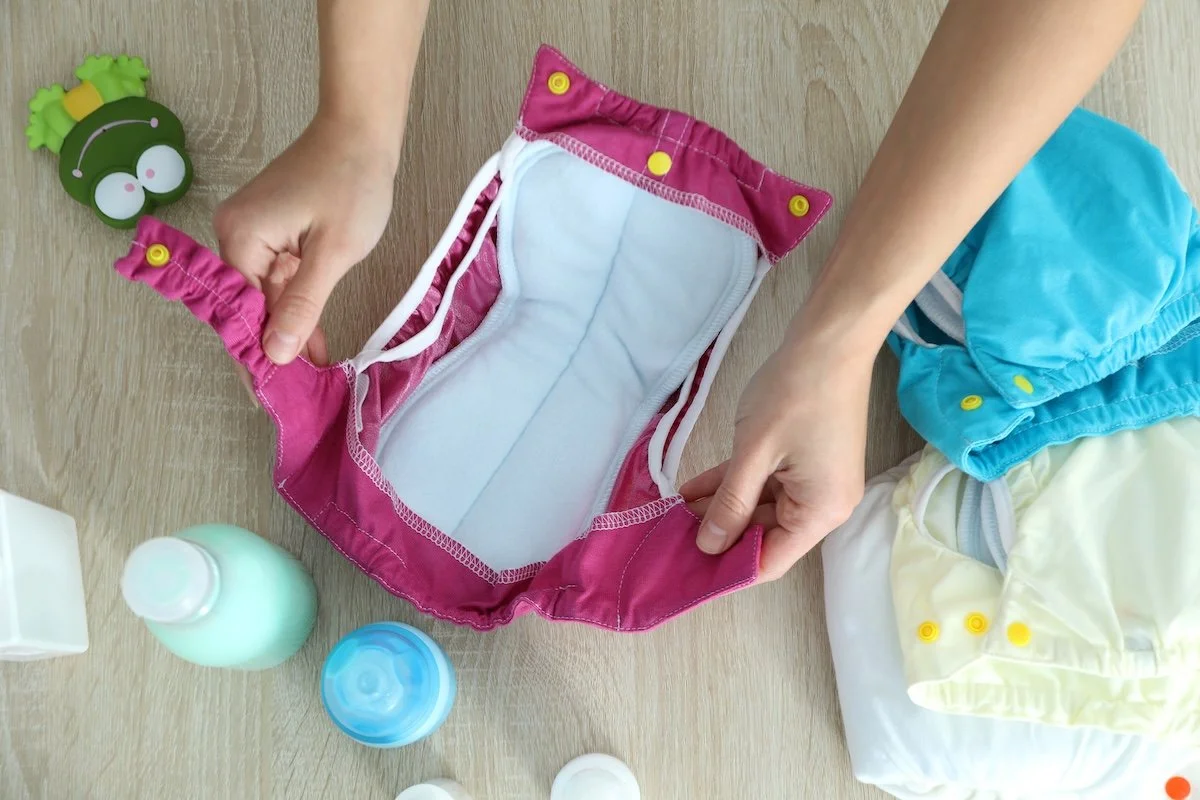
Beavan is radically changing course. He wants to experience what it's like to live climate-neutral in New York. Without TV, without plastic, without using toilet paper. In short, to do nothing that burdens the environment. What does that mean for his lifestyle? His wife is wedded to her credit card. Will he succeed in convincing her to join him? And what do they do with their one-year-old daughter's diapers? How do they get around without a car? How does he explain to his mother that he won't visit for Christmas because he doesn't want to fly? A humorous account!
How you can save the world at home one thing at a time
In How you can save the world at home, environmental scientist Tara Shine shows you all the things you can do at home to do your part for the environment. In this wonderful guide, she gives about 100 everyday examples of things you can easily change that really make a positive impact. From exchanging bottles of liquid soap to changing household foil, all the suggestions are achievable, sustainable and in many cases save money too. Living more sustainably is fun!
Carolyn Steel - Hungry City: How food shapes our lives
In The Hungry City, Carolyn Steel takes an entirely new approach to all sorts of current issues surrounding the way we eat. In this enthusiastic and visionary book, the author follows the trail of our food, from the countryside to the city, through markets and supermarkets, kitchens and dinner tables, waste disposal and back, and asks how we can harness food as a way to better understand, better design, and make our cities more livable. She paints a clear picture of the impact of modern food production on our planet and on our lives, and provides insight into how it got this way and how we should move forward. The Hungry City is extremely timely, penetrating, and indispensable.
Marije van der Made - This is what happens when you start living more sustainably
In This is what happens when you start living sustainably, Marije van der Made addresses all the questions you might get about sustainable living. Do you eat no meat at all? Do you really take the train instead of the plane? Isn't it gross that your clothes are second-hand? Isn't soy bad for the Amazon forest? Questions that you often hear when you are busy living more consciously and sustainably. In this handbook full of facts, experiences and common misconceptions about sustainability, green influencer Marije van der Made humorously shares flaming answers and tools to keep you on your toes during your next family day, dinner party or birthday.
Jelle Derckx - Longing for less
In Desire for Less, Jelle Derckx takes the reader on a quest for a conscious and sustainable life; he provides inspiring, down-to-earth tools and tips in this personal story. For Jelle, the process of becoming aware began in the summer of 2011. With a head full of worries, he left for Brazil. That trip was the main inspiration behind his decision to turn his life around 180 degrees once he returned to the Netherlands. He started minimizing, buying less and living more consciously. This gave him more time and space for the things that are really important, such as personal growth and sustainability.
Podcasts

The Pollinator podcast
Here we buzz about and cross-pollinate like crazy. We talk to people who have lost their hearts to butterflies or bees and know all about them. Scientists share their latest findings on the ups and downs of the insect world, and we meet go-getters who just got started and created the most beautiful biodiversity paradises.
Climate Therapy
Living in times of climate crisis, how does that make you feel? The subject itself is talked about like the ears off your head. But what it does to you is never discussed. Should we be afraid of the consequences of global warming? You yourself may feel powerless or think that what you can do will not be of much use. What do a sociologist, an anthropologist and a climate psychologist think about this? And what can we do to "persevere" in these times?
Climate Talk
The podcast where you get to hear more about what's going on with the climate. But rest assured. There's not just talk about what's going wrong, because we know that by now. Reinier van den Berg is an experienced weatherman and specialist in climate and sustainability. He tells in 10 episodes how the Netherlands can make a difference, but also how you yourself can start living a little more sustainably.
Ecosophy: Sustainable Conversations
How do you balance economics, ecology and philosophy? That's what Ecosophy is about, the podcast in which Marnix Kluiters talks with experts about making society sustainable.
No dog in the podcast
Daan and Pieternel enjoy making this monthly podcast about vegetarian and vegan food. Turn on this podcast when your meat-eating family members are also (secretly) listening in. For sure they too will get excited about switching to a (more) plant-based diet.
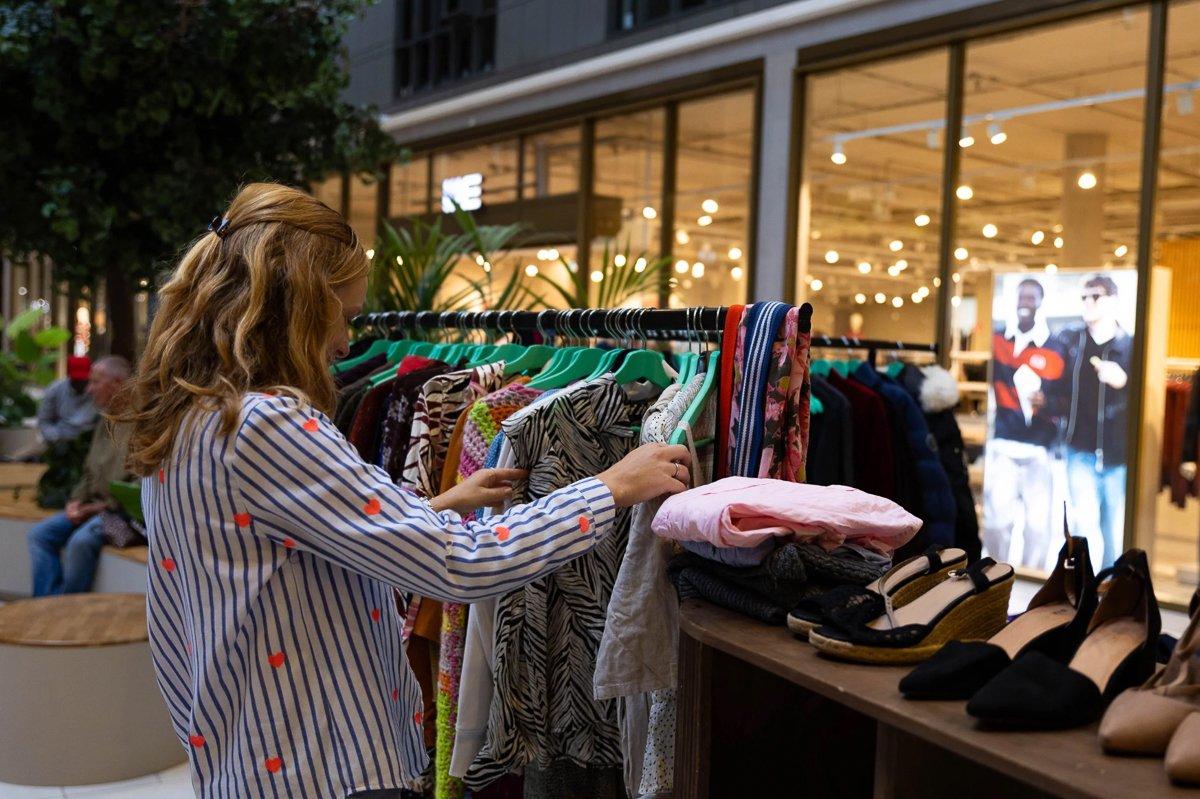
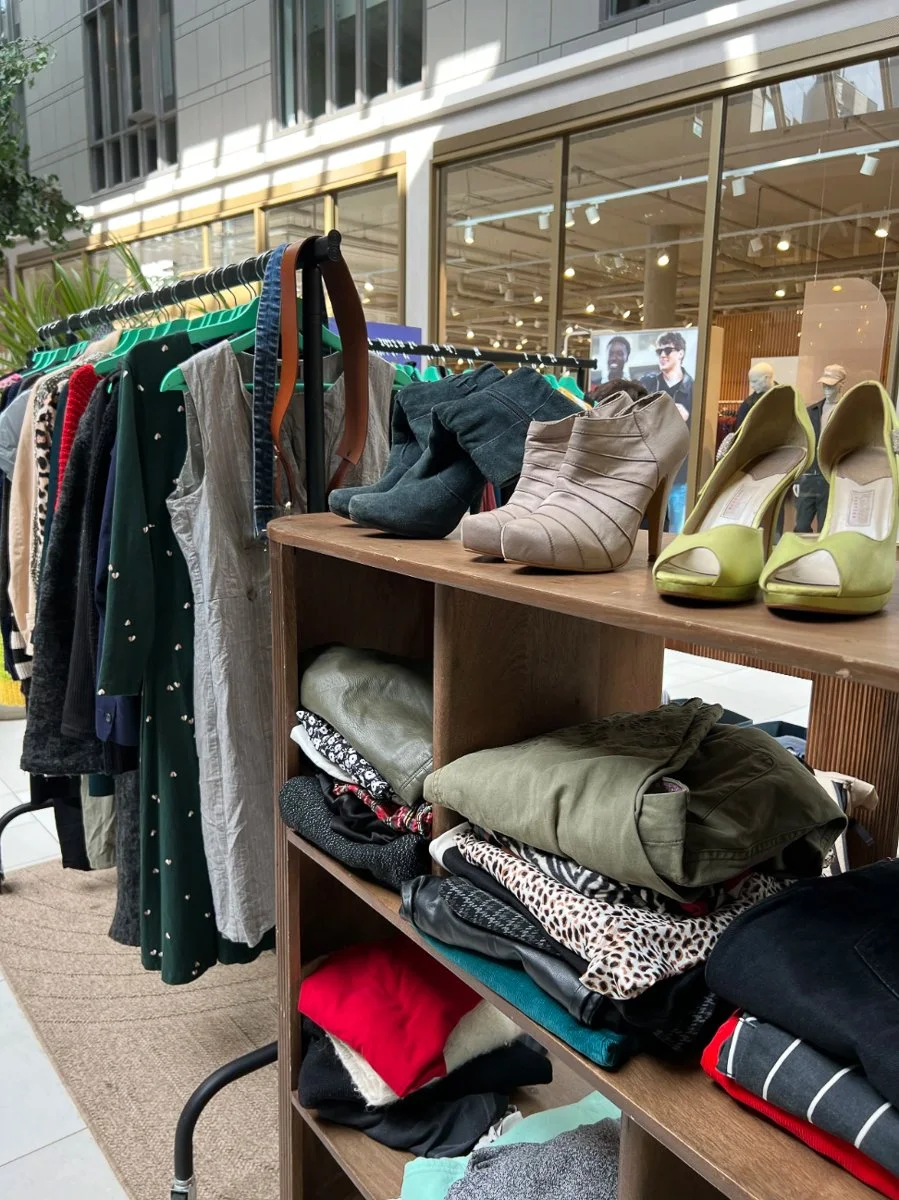
Buying second-hand is inexpensive and sustainable.